
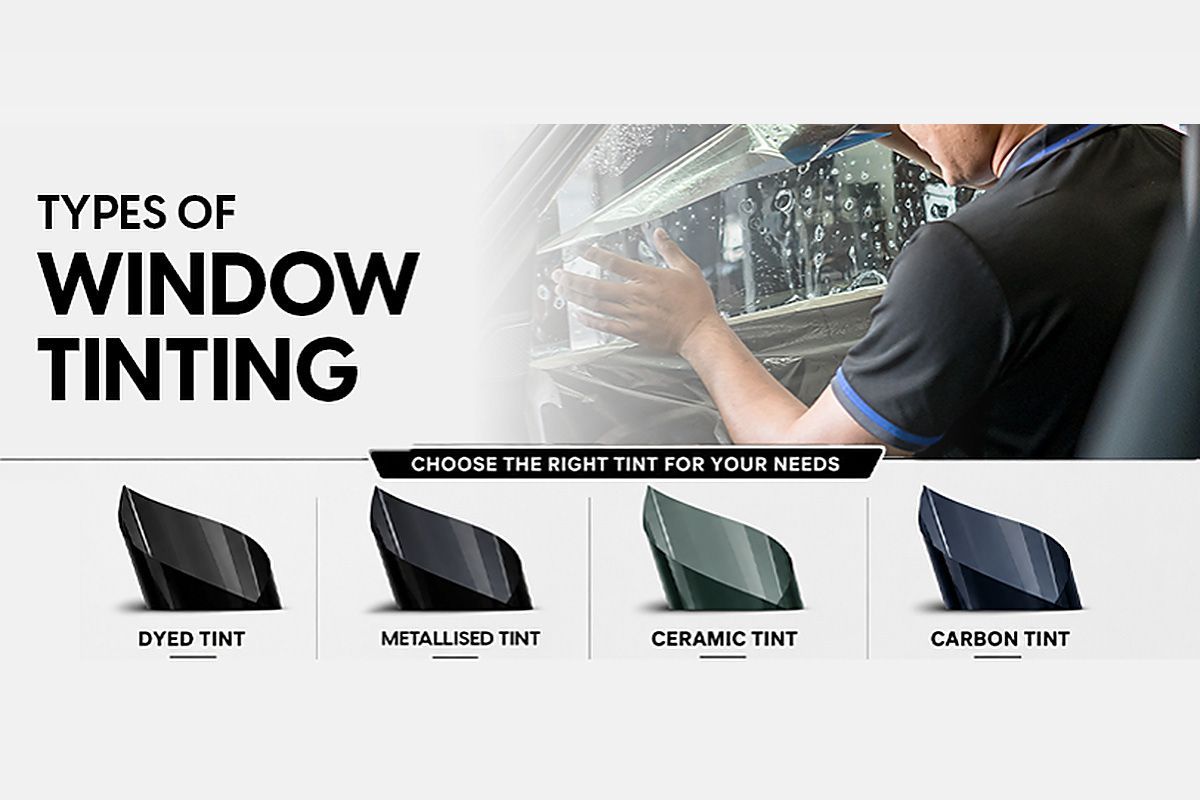
Whether it’s enhancing the aesthetic appeal, increasing privacy, reducing glare, or preventing a vehicle from turning into an oven on a summer’s day, the appeal of automotive window tinting continues to grow. With this surging demand, it’s important to understand the key factors of film selection affecting aesthetics and performance. This guide is designed to give you a clear overview of the different kinds of automotive tint films, the regulations surrounding them and key factors that will impact application.
Types of Automotive Window Tint
Automotive window tints are polyester based films that come four main different kinds that offer different levels of performance and longevity.
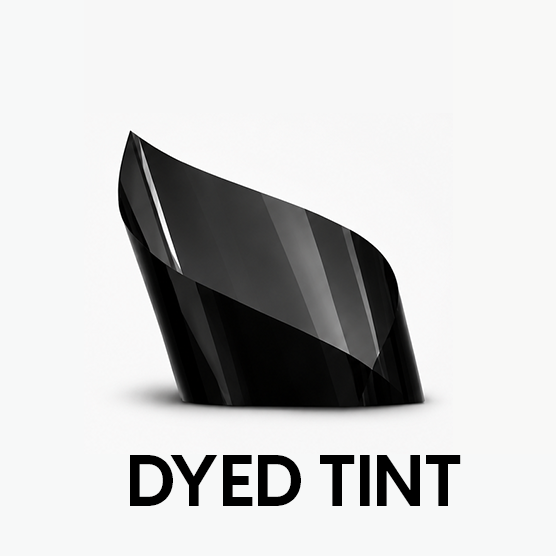
Dyed
Dyed tint films feature a dyed layer of polyester sandwiched between the adhesive backing and a protective polyester topcoat. Dyed tints are economical in price and optimal for those looking to enhance aesthetics and/or privacy, but they offer little in terms of blocking UV and heat rejection and have shorter lifespan compared to other types of films.
Metallised
Metallised tint films contain a polyester layer that contains tiny metallic particles that reflect both light and heat, adding a sleek metallic aesthetic and providing improved heat rejection and UV blocking compared to dyed films. While more expensive than dyed films and offer greater performance and durability, these films can interfere with electronic signals.
Ceramic
Ceramic tint films are generally considered the best all-round tint option that combine both aesthetic and privacy with high-performance. Featuring a layer embedded with non-conductive ceramic particles that delivered superior heat rejection and UV blocking, no interference with electronic signals, and maintain exceptional optical clarity compared to other films. Ceramic window tint films products offer long-term, superior performance without compromising visibility, making it the ideal choice.
Carbon
Carbon tint films substitute the dye and metallic particles for non-conductive ceramic particles that can block UV rays and reflect heat without causing interference to electronic signals. The ceramic particles give the films a matte aesthetic that does not fade over time for great long-term performance.
|
Type |
Tinting | UV Blocking | Heat Rejection | Glare Reduction | Signal Interference | Durability |
| Dyed | Yes | Minimal | Minimal | None | Up to 5 Years | |
| Metallised | Yes | Good | Good | Good | Up to 8 Years | |
| Carbon | Yes | Great | Great | Great | None | Up to 10 Years |
| Ceramic | Yes | Superior | Superior | Great | None | Up to 15+ Years |
Making Sure your Tint is Road Legal
Beyond selecting the right type of tint film, it’s essential to consider how dark the tint can legally be. In Australia, vehicles that do not comply with window tint regulations (are too dark) can incur penalties such as on-the-spot fines, defect notices, and even potential issues with insurance claims.
Tint darkness is measured by Visible Light Transmission (VLT), which refers to the amount of light that passes through the film. A higher VLT means a lighter tint through, while a lower VLT indicates a darker tint. Most reputable manufacturers clearly state the VLT rating of their films, making it easier to remain compliant.
As a general guideline, many states require a minimum of 35% VLT for front side windows and 20% for rear side and rear windows on passenger vehicles. However, requirements can vary, so it’s important to confirm the specific regulations in your state before applying window tint to a road vehicle.
Automotive window tinting can offer aesthetics and comfort, but achieving the best results depends on selecting the right film to meet performance expectations as well as compliance with road regulations.
If you are interested in more in-depth guidance on automotive window tint installation and best practices, speak to your local Graphic Art Mart Branch or enquire online about our Avery Dennison Automotive Window Tint Installation Workshops